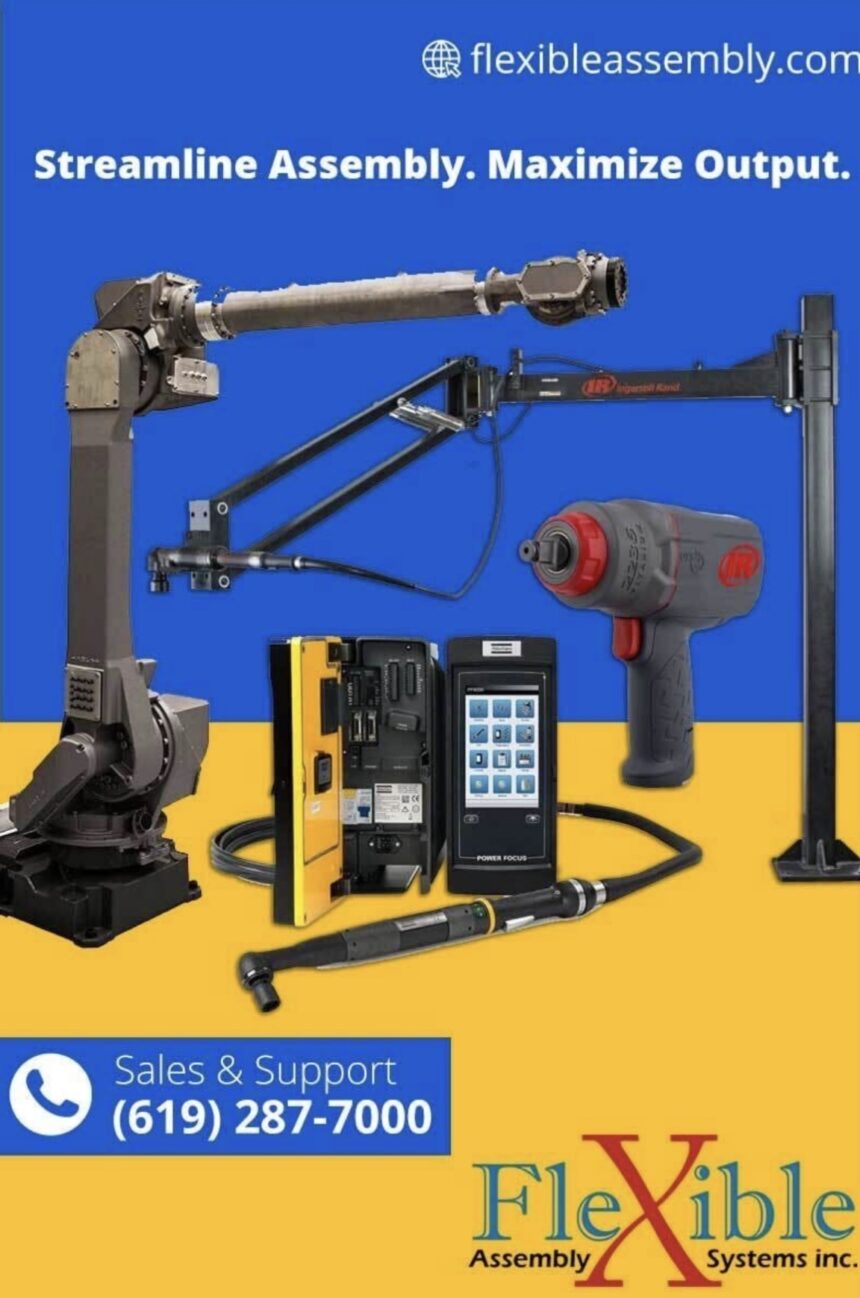
Industrial production demands absolute mechanical precision. Massive structural assemblies require exact joint tension. Deviations inevitably cause catastrophic equipment failure. You must define rigid operational parameters immediately. Engineers calculate specific physical loads for every metal bolt. They dictate exact rotational limits. Plant managers must enforce these numerical targets without fail. Mechanical consistency prevents expensive product recalls.
Implement Advanced Tool Selection
Manual labor introduces severe physical variations. Technicians apply irregular pressure in standard shifts. You must remove human error from the equation entirely. Automation tools provide absolute output stability. Facility supervisors deploy modern electronic devices.
Consider the Electric Torque Screwdrivers your technicians utilize. Electronic systems guarantee exact rotational force. An internal motor shuts down at the specified limit. The mechanic simply holds the grip securely. The device does the precise work automatically. These tools preserve delicate component integrity. They prevent destruction of expensive raw materials.
Standardize Heavy Load Mechanisms
Massive structural joints require substantial physical power. Small pneumatic devices lack the necessary kinetic output. You must equip your staff with robust hardware. Heavy production lines rely on immense mechanical leverage.
Deploy calibrated Torque Wrenches for these massive bolts. A heavy manual lever delivers controlled power accurately. The internal clutch mechanism slips at the exact target. This prevents accidental shear stress on the steel thread. Precise mechanical clicks provide immediate tactile feedback. The operator knows the exact moment of successful completion.
Control Substrate Material Variables
Various metallic alloys react unpredictably under extreme tension. Hardened steel accepts immense stress without structural deformation. Aluminum structures crack easily under minimal pressure limits. You must categorize all raw components rigorously. Assign specific force quotients to specific base materials.
● Document the precise alloy grade.
● Establish rigid limit protocols.
● Mark bins with distinct paint identifiers.
● Separate incompatible hardware components entirely.
A worker might secure a soft brass screw too tightly. The thread separates from the base material immediately. Scrapped parts destroy your quarterly labor budget.
Regulate Ambient Facility Environment
Atmospheric conditions alter physical metallurgy constantly. Intense heat expands solid structural panels. Extreme cold constricts those exact same geometric shapes. Joints secure perfectly tightly in winter months. Those same bolts loosen quickly in summer months. You must monitor factory climate conditions hourly. Maintain a static internal temperature profile always.
Air pressure lines also suffer from weather shifts. Moisture enters exposed compressor intakes rapidly. Water vapor destroys internal pneumatic valves silently. Install heavy desiccant air dryers outside the facility. Provide clean dry air to all active mechanical bays.
Validate Equipment Accuracy Routinely
Hardware mechanisms degrade after repeated daily use. Internal metal springs lose their initial factory tension. Hardened planetary gears shear from extreme friction. You must test tool output on a strict schedule. Random audits catch equipment degradation swiftly.
| Equipment Type | Audit Roster | Allowed Variance |
| Heavy Pneumatic | Shift Start | +/- 5% |
| Electronic Driver | Weekly | +/- 3% |
| Manual Lever | Daily | +/- 4% |
Adhere rigorously to this standard data table. Routine verifications secure massive production runs. Stop defective tools before they damage expensive hardware assemblies.
Modern factories capture every physical action electronically. Advanced digital consoles record every successful rotation. A central server logs this exact numerical output. You can trace back any specific mechanical action easily. This data trail defends your organization in severe audits.
Clients often notice loose hardware upon delivery. They submit harsh quality complaints immediately. You review the internal production logs. The server proves the tool performed identically to specifications. The structural failure stems from separate material flaws. Your production team receives absolute exoneration.
Standardize Technician Physical Posture
Human biomechanics affect manual output directly. One technician pulls tools with sudden immense power. Another worker applies gradual even weight to the lever. This variety damages the final structural integrity. You must instruct all staff on rigid posture mechanics.
Require absolute perpendicular tool alignments always. Slanted angles increase internal friction dramatically. The device reads a false positive limit signal. The fastener remains loose despite the successful cycle alarm. Consistent physical stance mitigates this pervasive industrial issue.
Eliminate Active Workstation Clutter
Visual distraction causes severe mechanical mistakes. Technicians lose focus amid chaotic desk setups. Structure the physical bench layout meticulously. Instruct operators to clear debris away completely.
Require a strict checklist before mechanical action starts.
● Inspect air tubes for exterior abrasions.
● Verify the current daily production quota.
● Align designated tool bins by assigned task.
● Examine drive bits for metal fatigue.
Organized workspaces promote absolute mental clarity. Clear minds produce flawless industrial components.
Quantify Frictional Coefficient Metrics
Surface friction consumes massive amounts of rotational energy. Dry metallic threads resist applied force aggressively. The mechanical device senses this immense resistance prematurely. It stops the cycle before proper joint tension occurs. This false positive leaves the physical component dangerously loose. You must evaluate surface lubrication profiles strictly.
Chemical lubricants alter the physical response dramatically. Oil reduces surface friction between metallic plates. The target load demands physical recalibration immediately upon lubricant application. Mechanics must not apply grease to dry specified hardware randomly. This unauthorized action causes severe physical overtension. The bolt shears apart under the excessive rotational strain.
Mitigate Post Cycle Joint Relaxation
Heavy industrial joints often lose initial structural tension. Metal parts compress together over brief time intervals. Gaskets flatten out beneath the secure metal washer. This material compression reduces the true internal load. Engineers classify this rapid event as joint relaxation.
Technicians must perform subsequent rotational applications to restore tension. Wait a specified time duration after the initial cycle. Reapply the exact same mechanical force a second time. This secondary action compensates for the brief material settlement. Track this dual cycle sequence in your central database. You must mandate strict adherence to multi stage procedures.
Isolate Destructive Vibration Frequencies
Active heavy machinery generates sustained physical tremors. Constant vibrations loosen threaded fasteners over extended periods. You must counteract this pervasive kinetic energy. Select hardware with integrated anti vibration geometries. Use specific structural washers with aggressive bite profiles.
Liquid chemical sealants provide immense security against tremors. Technicians apply precise fluid drops onto the bare metal threads. The chemical cures quickly into a solid plastic bond. It locks the internal metal surfaces together permanently. You must heat the exact joint to break this chemical bond later. Specify exact liquid formulas for different specific machine zones.
Integrate Advanced Transducer Mechanisms
Standard internal clutch parts fail to notice microscopic mechanical errors. Precision structures demand extreme hardware sensory input. Electronic transducers measure physical strain with supreme accuracy. These sensitive receptors sit directly on the tool drive shaft. They broadcast continuous kinetic data to the control console.
Facility supervisors review this constant data stream. The transducer detects sudden abnormal friction spikes instantly. It stops the electrical motor immediately to prevent hardware damage. This highly sensitive architecture protects incredibly expensive raw components. You recover the initial tool expense quickly through massive waste reduction.
Why Choose Flexible Assembly Systems?
Your facility requires a knowledgeable industrial supply partner. We deliver complete infrastructure improvements for modern factories. Our structural experts assess your current layout rigorously. We locate severe operational chokepoints swiftly. We provide exact mechanical solutions safely.
Our inventory features incredibly durable industrial equipment. We stock tough hardware for aggressive environments. We also perform highly accurate laboratory calibrations. Our metrology team adjusts your specific tools perfectly. We issue formal certified accuracy documents directly to you. This paperwork satisfies rigid corporate auditors. We dispatch secure packages swiftly. Avoid expensive factory line stoppages. Rely on us for supreme technical support and vast hardware inventory.