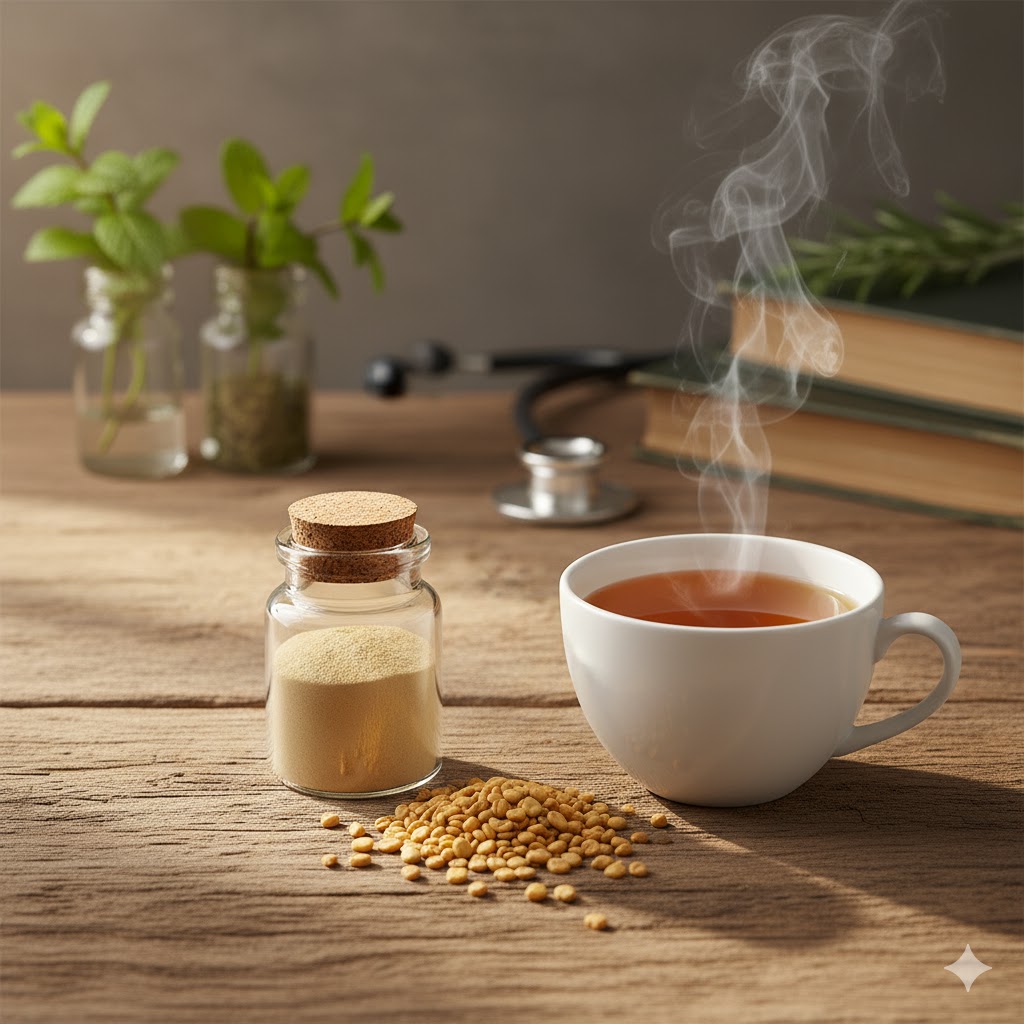
Foenegriek is a small plant that has been used for hundreds of years in food and medicine. It is also known as fenugreek in English. At the beginning of this article, let’s explore what makes foenegriek so special. This simple spice is not only used in cooking but also loved for its healing powers. Many people around the world use foenegriek to stay healthy and strong.
Even though it looks like a tiny seed, foenegriek has a huge impact on the body. From helping digestion to improving hair growth, this little herb can do wonders. So, if you want to learn all about foenegriek, keep reading. We will explain everything in a simple and fun way!
What Is Foenegriek?
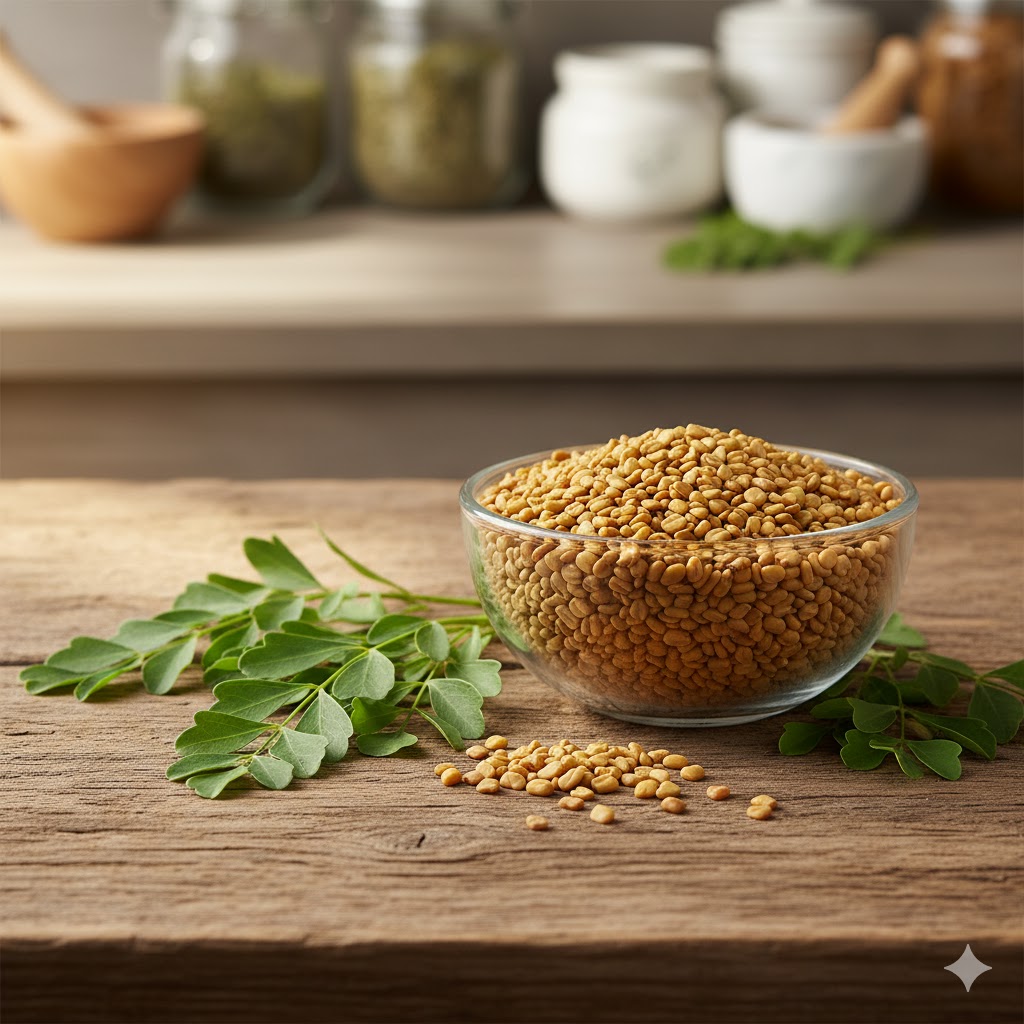
Foenegriek is a plant that belongs to the bean family. It grows mostly in India, the Middle East, and parts of Europe. The seeds of foenegriek are golden brown and have a slightly bitter taste. However, when cooked, they give a sweet and nutty flavor to food.
People use foenegriek seeds, leaves, and even powder in cooking. The seeds are rich in fiber, protein, and healthy plant chemicals. In fact, many traditional medicines include foenegriek because of its natural healing powers. It is used in Ayurveda and Chinese medicine for treating stomach problems, coughs, and diabetes.
Health Benefits of Foenegriek
Foenegriek for Digestion and Stomach Health
One of the best-known benefits of foenegriek is its power to improve digestion. When you eat foenegriek seeds, they form a natural gel that helps your stomach feel calm. Therefore, it is great for people who suffer from bloating or gas.
Moreover, foenegriek helps your body absorb nutrients better. Since it has natural fiber, it makes your digestion smoother. If you drink warm foenegriek tea after meals, you will likely feel lighter and more comfortable.
Foenegriek for Controlling Blood Sugar
Another amazing use of foenegriek is to manage blood sugar levels. Scientists have found that the seeds can slow down sugar absorption in the body. This means that people with diabetes can benefit from adding foenegriek to their diet.
In addition, foenegriek may help the body use insulin more effectively. Regular use can help keep your blood sugar stable. However, it’s always a good idea to talk to a doctor before using foenegriek as a daily supplement.
Foenegriek for Women’s Health
Foenegriek is often called a “woman’s friend” because it helps balance hormones naturally. For women who suffer from period cramps or mood changes, drinking foenegriek tea can bring relief. The seeds contain plant-based compounds that support female hormones.
Besides this, foenegriek may also increase milk production in breastfeeding mothers. Many mothers around the world use foenegriek capsules or tea to boost their milk supply. However, using too much can cause stomach upset, so moderation is important.
Foenegriek for Hair Growth and Skin Health
If you want shiny hair and glowing skin, foenegriek can help. Its seeds are rich in vitamins and proteins that make hair strong and thick. Applying foenegriek paste to the scalp can reduce dandruff and hair fall.
Additionally, foenegriek has anti-inflammatory properties that help fight acne. Many beauty lovers use foenegriek water as a natural face toner. It reduces oil, clears the skin, and gives a fresh glow.
Foenegriek for Weight Loss
Losing weight is never easy, but foenegriek can make it a bit simpler. When soaked overnight and eaten in the morning, foenegriek seeds can make you feel full for a long time. As a result, you may eat less during the day.
Also, foenegriek boosts metabolism, helping your body burn fat faster. Combined with healthy food and regular exercise, it supports a fit and active lifestyle.
How to Use Foenegriek in Daily Life
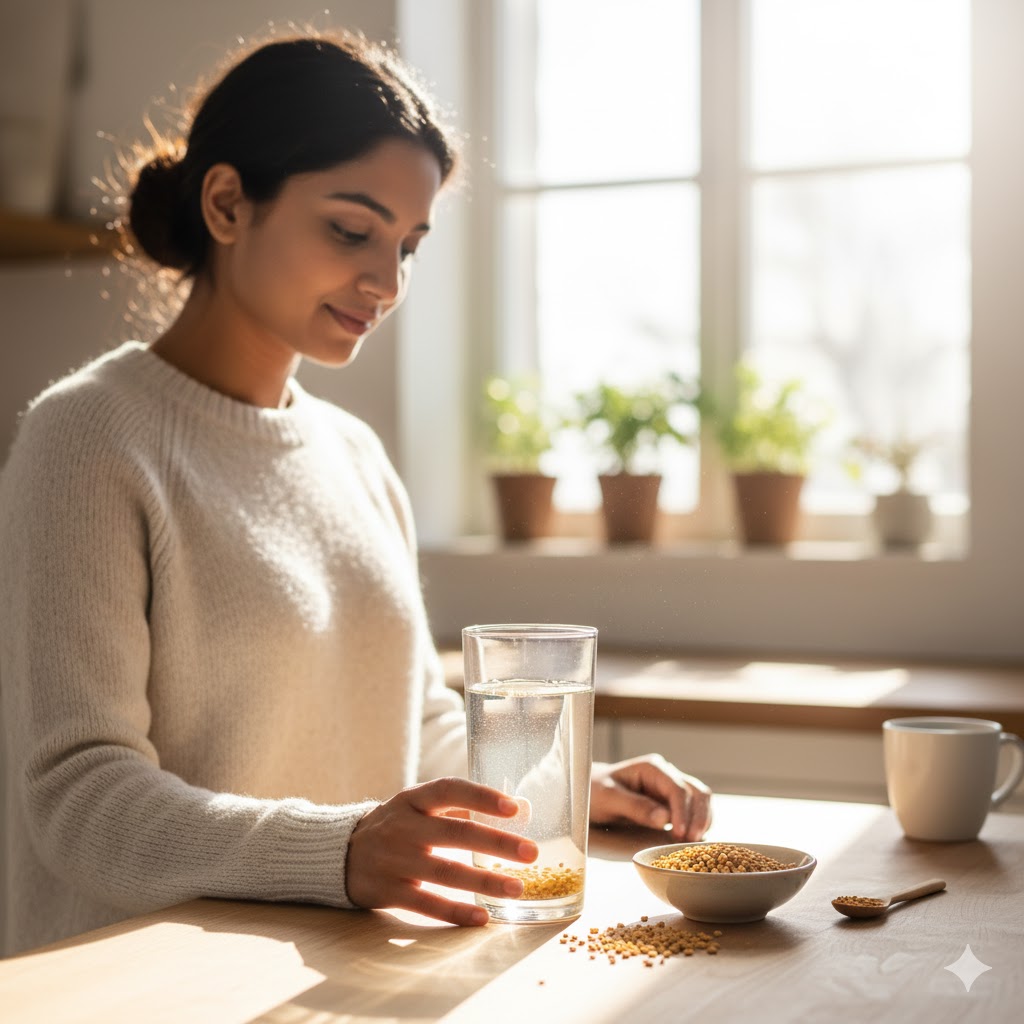
Using foenegriek is very simple. You can add it to food, make tea, or even use it in beauty routines. For example, foenegriek seeds can be roasted and used as a spice in curries and soups.
You can also soak the seeds overnight, strain the water, and drink it in the morning. This foenegriek water helps cleanse the stomach and control appetite. For external use, you can make a paste by grinding soaked seeds and applying it to your scalp or face.
Side Effects and Safety of Foenegriek
Although foenegriek is natural, it should still be used carefully. When taken in small amounts, it is safe for most people. However, consuming too much may cause mild stomach pain or diarrhea.
Pregnant women should avoid large doses because foenegriek may affect hormone levels. In rare cases, it can cause allergic reactions, especially for people sensitive to peanuts or chickpeas. Therefore, it’s best to start with small amounts and see how your body reacts.
Foenegriek in Cooking and Traditional Recipes
In many cultures, foenegriek is a favorite cooking ingredient. Indian dishes often include foenegriek seeds or leaves to give a unique taste. You can use it in lentil soups, vegetable curries, or spice blends.
For a healthy breakfast, some people add crushed foenegriek seeds to smoothies or yogurt. This adds extra fiber and protein. No matter how you use it, foenegriek brings both flavor and nutrition to your meals.
Scientific Studies About Foenegriek
Recent research shows that foenegriek can improve overall health. Studies have found that people who took foenegriek supplements had lower cholesterol and better blood sugar control. These results prove what traditional medicine has known for centuries.
Still, scientists say that more research is needed to understand all the benefits of foenegriek. But one thing is certain—it’s a natural plant that can support your body in many ways when used wisely.
Foenegriek Tea Recipe (Easy and Healthy)
Making foenegriek tea is easy and quick. You only need one teaspoon of foenegriek seeds and one cup of water.
Boil the water and add the seeds. Let it simmer for 5 minutes, then strain it. You can add honey or lemon for extra flavor. Drinking this tea daily can help with digestion and reduce tiredness.
FAQs About Foenegriek
1. What does foenegriek taste like?
Foenegriek has a slightly bitter but warm and nutty taste that becomes milder when cooked.
2. Can I eat foenegriek every day?
Yes, but only in small amounts. Around one teaspoon of seeds per day is safe for most people.
3. Is foenegriek good for hair?
Yes, it strengthens hair roots, reduces dandruff, and promotes hair growth naturally.
4. Can foenegriek help with weight loss?
Yes, it can make you feel full longer and improve fat burning when combined with exercise.
5. Is foenegriek safe during pregnancy?
It’s best to consult a doctor before using foenegriek during pregnancy.
Conclusion: Why You Should Try Foenegriek Today
To sum it up, foenegriek is a small seed with big health benefits. It supports digestion, controls blood sugar, helps women’s health, and even improves hair and skin. In addition, it’s easy to use in cooking or as tea.
Although natural, foenegriek should be used wisely. Start with a small amount and observe how your body responds. Once you see its benefits, you’ll understand why people have trusted foenegriek for centuries. So why wait? Add foenegriek to your diet today and enjoy the power of nature in every spoonful.
Also Read Mopoga: What It Is, How It Works & Why You Should Care